

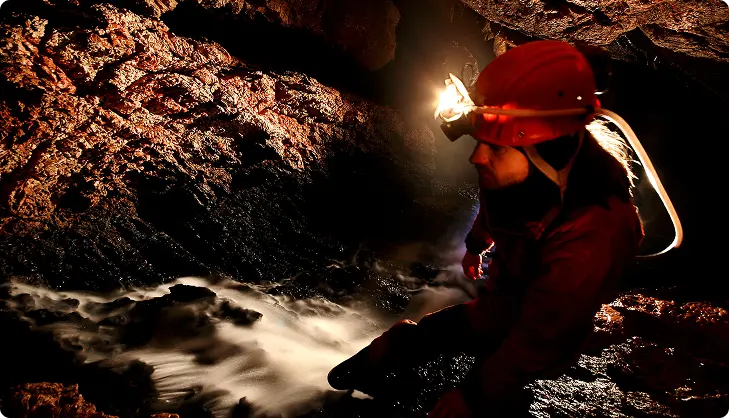
The mining industry has long been a cornerstone of Arizona’s economy, built by generations of workers who often faced serious occupational hazards. Among the most dangerous was asbestos exposure, which was common in many mining environments.
Former mine workers who were exposed to asbestos at work and later diagnosed with mesothelioma or another asbestos-related disease may have the right to seek compensation. These claims can help cover medical costs, lost income, and other damages tied to the illness. Even if exposure happened decades ago, legal options may still be available based on when the diagnosis was made.
Navigate this page
- Arizona’s Mining Industry and Asbestos Exposure History
- How Arizona Mine Workers Were Exposed to Asbestos
- Health Conditions Linked to Asbestos Exposure in Arizona Mines
- Legal Rights for Arizona Mine Workers Exposed to Asbestos
- Frequently Asked Questions — Arizona Mine Workers and Asbestos
- Why Arizona Mine Workers Choose The Gori Law Firm
- Arizona’s mining industry has a long history of asbestos exposure affecting workers across multiple regions and decades.
- Many miners were exposed to asbestos without ever working directly with it, often through equipment, geology, or building materials.
- Several Arizona mines and processing facilities have been linked to documented asbestos exposure in legal and public health records.
- At The Gori Law Firm, our attorneys can review your work history and use our database to help identify likely sources, even with limited details.
Arizona's Mining Industry and Asbestos Exposure History
Arizona’s history of asbestos exposure is closely tied to its large and long-standing mining industry. As mining expanded across the state, workers in these environments were frequently exposed to asbestos-containing materials.
Asbestos was first discovered in Arizona in 1872, but large-scale mining did not begin until 1912 after a major deposit was found in Salt River Canyon. From 1913 through the late 1970s, the Salt River Canyon mines produced more than 70,000 tons of asbestos.
Federal regulations in the 1970s eventually slowed the industry, and the last mine in Arizona closed in the early 1980s after serious health concerns emerged among workers and nearby residents. Gila County experienced the highest concentration of asbestos exposure, though asbestos deposits were also found in Pinal, Coconino, and La Paz counties.

Arizona Mines with Known Asbestos Exposure
Arizona’s mining industry has several well-documented sites where asbestos exposure has been confirmed in legal and public health records:
- Salt River District mines: Arizona’s most heavily mined asbestos region, operated by companies including Phillips Asbestos Co. and Jaquays Mining Co.
- Phelps Dodge copper mines: A major copper operation where asbestos was used in equipment insulation and was also present in the surrounding environment.
- Magma Copper Company mines: Another copper mining operation where asbestos was used in machinery insulation and protective materials.
- W.R. Grace Company’s vermiculite plant: A facility that processed asbestos-contaminated vermiculite from Libby, Montana.
- Ari-Zonolite vermiculite processing plant: Received more than 212,400 tons of contaminated ore from Montana between 1951 and 1964, with later testing confirming contamination.
This list is not exhaustive. If you are unsure where your exposure occurred, our attorneys can review your work history and use our database to help identify likely sources.
How Arizona Mine Workers Were Exposed to Asbestos
Occupational asbestos exposure in Arizona mines often occurred during routine work, not just when miners directly handled asbestos. Common ways this exposure happened include:
- Direct asbestos mining: Miners broke up raw asbestos-bearing ore with hammers and chisels, releasing high concentrations of airborne fibers into enclosed mine shafts.
- Mining near asbestos deposits: Copper, silver, and gold mines were often located in areas with asbestos-contaminated geology, exposing workers even when they were extracting other minerals.
- Vermiculite processing: Workers handling vermiculite contaminated with asbestos from Libby, Montana, were exposed during processing, handling, and waste disposal activities.
- Asbestos-containing equipment: Drills, gaskets, pipe insulation, fireproof gear, and brake systems often contained asbestos, putting maintenance and repair workers at high risk during servicing.
- Mine structures: Buildings, offices, and processing facilities frequently used asbestos insulation, roofing, fireproofing materials, and other asbestos-containing products that released fibers as they aged or were disturbed.

Health Conditions Linked to Asbestos Exposure in Arizona Mines
Asbestos exposure is the primary known risk factor for mesothelioma, a rare and aggressive cancer that affects the lining of the lungs, abdomen, or heart. Symptoms of asbestos-related diseases often take 10 to 50 years to appear, meaning a miner who worked in areas like the Salt River Canyon district in the 1950s or 1960s may only now be receiving a diagnosis.
Health conditions commonly tied to asbestos exposure include:
- Mesothelioma: A rare cancer caused by asbestos exposure, with about 2,000 to 3,000 new cases diagnosed in the United States each year.
- Lung cancer: Risk increases with asbestos exposure, especially when combined with smoking. This is a separate disease from mesothelioma.
- Asbestosis: A noncancerous but serious condition that causes permanent scarring in the lungs due to asbestos fibers.
Pleural diseases: These include pleural plaques, pleural effusion, and pleural thickening, all of which affect the lining of the lungs.
Legal Rights for Arizona Mine Workers Exposed to Asbestos
Arizona mine workers diagnosed with mesothelioma or another asbestos-related disease may still have legal options to pursue compensation, even if exposure occurred many years ago.
Three primary legal paths include:
- Asbestos trust funds: These funds were created by bankrupt asbestos companies to compensate individuals harmed by asbestos exposure. Approximately $30 billion remains available across all active asbestos trust funds.
- Mesothelioma lawsuits: These claims allow individuals diagnosed with mesothelioma to pursue compensation from companies responsible for their exposure. Many cases resolve through settlements, while others proceed to trial.
- Mesothelioma wrongful death lawsuits: These actions are filed by surviving family members after a loved one dies from an asbestos-related illness.
Frequently Asked Questions — Arizona Mine Workers and Asbestos
Can I File a Claim if I Don’t Know Exactly Where or How I Was Exposed?
Yes, you may still file a claim even if you are unsure of the exact source of exposure. Experienced mesothelioma lawyers can help trace your work history and identify likely sources of exposure.
How Long Do Arizona Mine Workers Have To File an Asbestos Lawsuit?
Arizona’s statute of limitations typically gives mine workers two years after an asbestos-related diagnosis to file a lawsuit.
Can a Family Member of a Deceased Arizona Miner File a Claim?
Yes. In Arizona, a wrongful death action may generally be brought by a surviving spouse, child, parent or guardian, or the personal representative of the deceased person’s estate.
What Compensation Can Arizona Mine Workers Recover?
Arizona mine workers may seek compensation for medical expenses, lost earnings, and other damages relating to the effects of living with an asbestos-related disease. Recovery may come through lawsuit settlements or verdicts, as well as asbestos trust fund claims.
Why Arizona Mine Workers Choose The Gori Law Firm
Arizona mine workers and their families choose Gori Law for its experience, resources, and focus on client support. Here’s what sets us apart:
- Proven results: We have recovered more than $4 billion for asbestos victims nationwide. Past results do not guarantee the outcome of your case.
- Deep experience: Our attorneys bring over 100 years of combined experience.
- Extensive case history: We have represented clients in thousands of asbestos claims and hundreds of mesothelioma lawsuits.
- Case-building tools: Our proprietary database, developed through years of litigation, helps us identify likely sources of exposure.
- Contingency fees: There are no upfront costs. If we don’t win, you don’t pay us.
- Accessible support: We offer free case evaluations 24/7 by phone, by video, or in person.
- Care connections: We can help connect you with leading physicians and support services when needed.
Contact us online or call (618) 659-9833 for a free consultation.
