

Database of Common Products Historically Known to Contain Asbestos
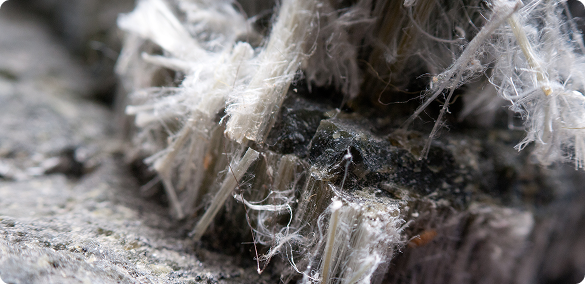
For decades, asbestos was woven into everyday American life in ways many people would never suspect today. It appeared in attic insulation, floor tiles, cosmetics, automotive parts, countertop appliances, and even certain cigarette filters sold during the mid-20th century. Because asbestos was inexpensive, durable, and highly heat-resistant, manufacturers incorporated it into thousands of household and consumer products.
The Environmental Protection Agency (EPA) describes asbestos as a mineral fiber that occurs in rock and soil. Because of its fiber strength and heat resistance, asbestos was historically used in many building materials and manufactured goods, including insulation, fire-retardant materials, friction products, gaskets, coatings, and some heat-resistant products.
Navigate this page
- A Timeline of Asbestos in Household and Consumer Products
- Search Historical Asbestos Products by Category
- Vintage Kitchen Appliances and Household Devices That Once Contained Asbestos
- Talc-Based Powders and Vintage Cosmetic Products
- Automotive Parts and ‘Take-Home’ Asbestos Exposure
- Brake Linings, Pads, and Clutches
- Construction and Home Improvement Materials That Commonly Contained Asbestos
- Long-Term Health Risks Linked to Asbestos Exposure
A Timeline of Asbestos in Household and Consumer Products
Throughout much of the 20th century, asbestos was treated as a practical solution for heat resistance, insulation, and durability. Manufacturers used it in kitchen appliances, automotive parts, flooring materials, cosmetics, insulation products, and countless other household items. Over time, scientific research, workplace-safety concerns, product recalls, regulatory changes, and asbestos litigation contributed to the discontinuation or reformulation of many asbestos-containing products.
While some asbestos-containing products disappeared quickly, many of these materials never fully disappeared. Older products and building materials can still be found in homes, garages, schools, and renovation sites across the country today.

Search Historical Asbestos Products by Category
Some older materials and consumer goods can still surface during home renovations, estate cleanouts, garage projects, or repairs involving aging appliances and building materials. Product names, packaging, and materials often change over time, making older asbestos-containing products difficult to recognize today. The searchable database below organizes common historical products by category, brand, location, and estimated risk level.

251 products · search by room/location, category, or keyword
| Category | Product / Material | Common Brand Names | Years of Use | Risk Level | Room / Location |
|---|

Vintage Kitchen Appliances and Household Devices That Once Contained Asbestos
For much of the 20th century, asbestos was commonly used inside household appliances as a heat shield and electrical insulator. Manufacturers incorporated asbestos into products that generated high temperatures because the mineral could resist heat, reduce fire risk, and help protect surrounding components from damage. According to the Consumer Product Safety Commission (CPSC), asbestos was historically used in a wide range of heat-producing consumer products before growing safety concerns led to recalls and manufacturing changes.
Handheld and Hooded Hair Dryers
One of the most well-known examples involved handheld and hooded hair dryers manufactured during the 1960s and 1970s. In 1979, the CPSC announced corrective actions involving several major hair dryer manufacturers after asbestos heat shields were discovered inside certain models. Later research published through the National Institutes of Health (NIH) documented how fibers from damaged or deteriorating dryers could be released directly into the breathing zone of users during operation.
Toasters, Slow Cookers, and Waffle Irons
Asbestos also appeared inside older countertop appliances such as toasters, waffle irons, slow cookers, and portable ovens. In many cases, the material was hidden beneath metal panels or wrapped around internal wiring and heating components. These materials were often considered non-friable while intact, but aging appliances, physical damage, corrosion, or disassembly could increase the risk of fibers being released.

Talc-Based Powders and Vintage Cosmetic Products
Talc and asbestos can occur naturally near one another in the earth, which historically created contamination concerns in some consumer products. Because talc absorbs moisture and creates a soft texture, it became a common ingredient in powders, cosmetics, and personal care products throughout much of the 20th century. The Food and Drug Administration (FDA) continues to monitor talc-containing products and test certain cosmetics for possible asbestos contamination.
Talcum Powders and Baby Powders
For decades, talc-based powders were marketed for personal hygiene, cosmetic use, and infant care. However, asbestos contamination sometimes occurred during the mining process when talc deposits were located near asbestos-containing minerals. According to CDC/ATSDR toxicological research, inhaling contaminated talc particles may create long-term respiratory health concerns depending on the level and duration of exposure.
Vintage Cosmetics
Older cosmetic products, including face powders, blushes, and eye shadows, often used talc to absorb moisture and create a smooth texture. In some cases, talc-based cosmetics have raised asbestos contamination concerns because talc and asbestos can occur near one another in the earth. Although many manufacturers have updated formulations or adopted more rigorous testing practices, concerns about asbestos in talc-containing cosmetics have continued to appear in recalls, investigations, and regulatory testing. The FDA has also proposed standardized testing methods for detecting and identifying asbestos in talc-containing cosmetic products.
Automotive Parts and ‘Take-Home’ Asbestos Exposure
For decades, asbestos was widely used in automotive friction materials because it could withstand extreme heat and repeated wear. Brake pads, brake linings, clutches, and other vehicle components commonly contained asbestos throughout much of the 20th century, especially before tighter regulations and manufacturing changes reduced its use.
Brake Linings, Pads, and Clutches
Mechanics, garage workers, and even backyard hobbyists often handled asbestos-containing brake and clutch components during routine vehicle repairs. One of the highest-risk practices involved using compressed air to clean brake assemblies, which could send fine asbestos fibers into the surrounding air. According to CDC research on “take-home” exposure, asbestos dust carried on clothing, shoes, tools, or hair could also expose family members inside the home, sometimes years after the original workplace exposure occurred.
Construction and Home Improvement Materials That Commonly Contained Asbestos
For many homeowners and contractors, asbestos exposure concerns are most likely to arise during remodeling, demolition, repairs, or DIY renovation projects. Asbestos was widely used in construction materials because it added strength, improved insulation, and resisted heat and fire damage. According to the Consumer Product Safety Commission (CPSC), many older homes still contain hidden asbestos materials beneath flooring, inside walls, around pipes, and in insulation products.

Vermiculite Attic Insulation
One of the most recognizable examples is Zonolite vermiculite insulation, which was commonly installed in attics throughout the United States. The material often appeared as lightweight, pebble-like insulation in silver, gray, or gold tones. According to CDC/NIOSH evaluations, much of the vermiculite ore mined near Libby, Montana, was contaminated with asbestos fibers such as tremolite and actinolite. Because of this contamination history, older silver-gold, pebble-like vermiculite insulation is often treated as though it contains asbestos unless testing proves otherwise.
Vinyl Floor Tiles and Mastic Adhesives
Many mid-century homes contained 9-by-9-inch vinyl floor tiles manufactured with chrysotile asbestos for durability and heat resistance. In some cases, the black adhesive beneath the flooring, often called “cutback” mastic, also contained asbestos fibers. These materials may remain relatively stable while intact, but sanding, scraping, breaking, or removing old flooring can disturb fibers and release them into the air.
Textured Ceilings and Joint Compounds
Textured “popcorn” ceilings and older drywall joint compounds also frequently contained asbestos during the mid-20th century. Unlike some sealed flooring products, these materials can become highly friable when sanded, drilled, cut, or damaged. Fine fibers released during renovation work may remain airborne for extended periods, especially in enclosed indoor spaces
Long-Term Health Risks Linked to Asbestos Exposure
One of the most difficult aspects of asbestos exposure is that related illnesses often develop gradually over decades. According to ongoing research on asbestos-related disease in the United States, symptoms may not appear for 20 to 50 years after exposure occurs. Because asbestos fibers are microscopic and were commonly used in everyday products, many people were exposed without realizing it at the time.
Health conditions associated with asbestos exposure can include mesothelioma, asbestosis, lung cancer, and other respiratory illnesses. Risk levels may vary depending on factors such as the amount of airborne fibers involved, how often materials were disturbed, and the length of exposure. Although regulations and manufacturing changes reduced many uses of asbestos over time, older materials and products can still create exposure concerns today.

How To Identify Possible Asbestos Materials in the Home
Many asbestos-containing materials can look nearly identical to non-asbestos products, which makes visual identification difficult without specialized training or laboratory testing. Older flooring, insulation, ceiling textures, pipe coverings, adhesives, and wall materials may contain asbestos even when they appear intact or relatively modern on the surface.
In many homes, asbestos-containing materials remain hidden behind walls, beneath flooring, inside attics, or around older heating systems and pipes. Materials installed before the 1980s are generally more likely to contain asbestos, particularly in homes that have undergone few renovations over the years.
Homeowners should avoid sanding, drilling, scraping, cutting, or removing suspicious materials on their own. In many cases, disturbing aging materials creates a greater exposure risk than leaving them undisturbed until they can be evaluated by a qualified asbestos professional.
What To Do If You Discover Asbestos in Your Home
If you discover a material you suspect may contain asbestos, the safest approach is usually to avoid disturbing it. Cutting, sanding, scraping, sweeping, or vacuuming damaged materials can release microscopic fibers into the air and increase the risk of exposure.
The EPA generally recommends:
- Leaving suspected materials alone unless they are damaged or actively being disturbed
- Avoiding household vacuums or dry sweeping for cleanup
- Keeping children and pets away from damaged areas
- Contacting a trained and accredited or state-licensed asbestos professional for testing and recommendations
In many cases, asbestos-containing materials that remain intact and undisturbed may present a lower risk than materials that have been damaged during repairs, demolition, or renovation work.
